
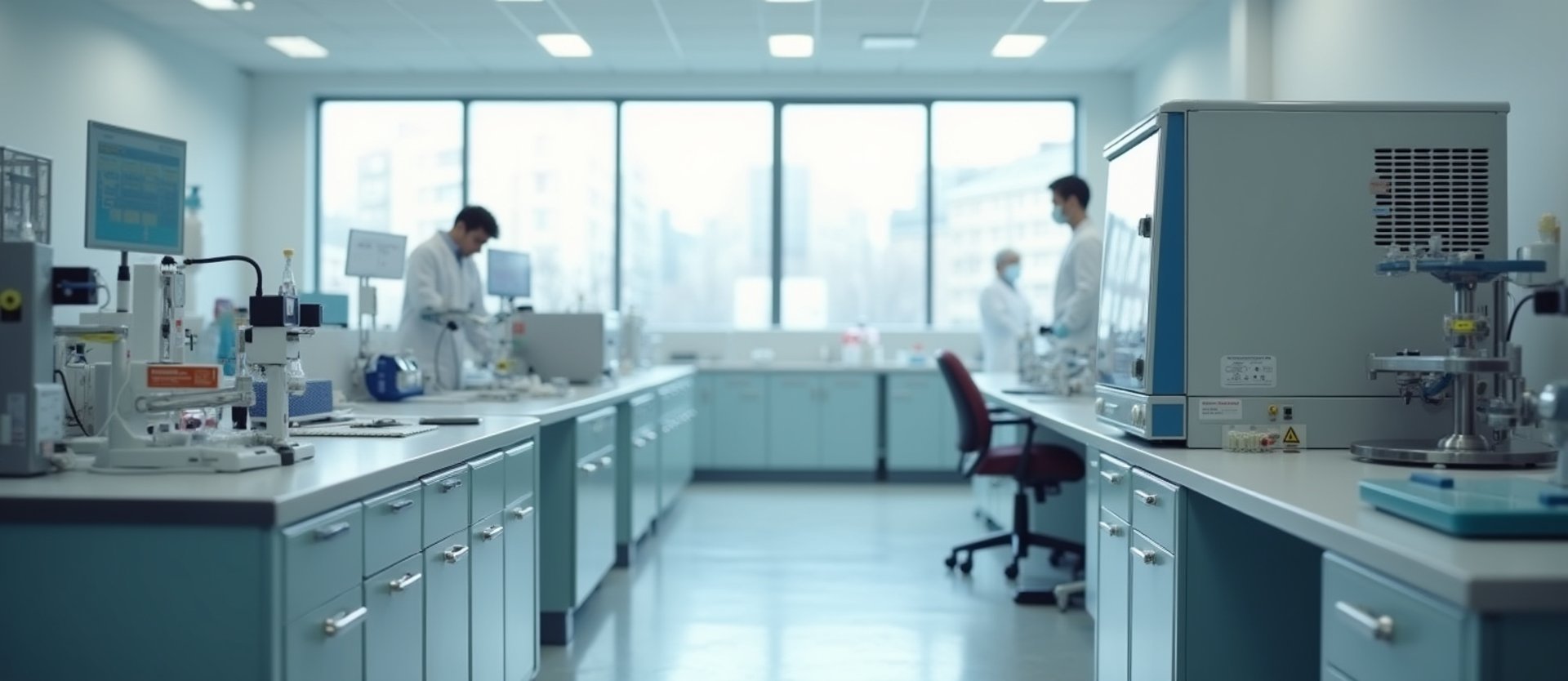
The Science of Preservation
Demystifying the embryology laboratory through objective, clinical-grade data. Understand the cellular physics of vitrification and how lab standards directly influence outcome metrics.
Vitrification and Cellular Integrity
Traditional slow-freezing methods once risked cellular damage from ice crystal formation. Modern vitrification bypasses crystallization entirely through rapid, ultra-low temperature transition.
Cryoprotectant Infusion
Flash Vitrification
Cryogenic Storage
Dehydrating the cell using specialized cryoprotective agents prevents intracellular ice formation, securing the structural integrity of the delicate oocyte membrane.
Cooling cells at over ten thousand degrees per minute transitions the liquid state directly into a glass-like solid, avoiding molecular disruption.
Submersion in liquid nitrogen at minus one hundred and ninety-six degrees Celsius halts biological time, preserving cellular viability indefinitely.
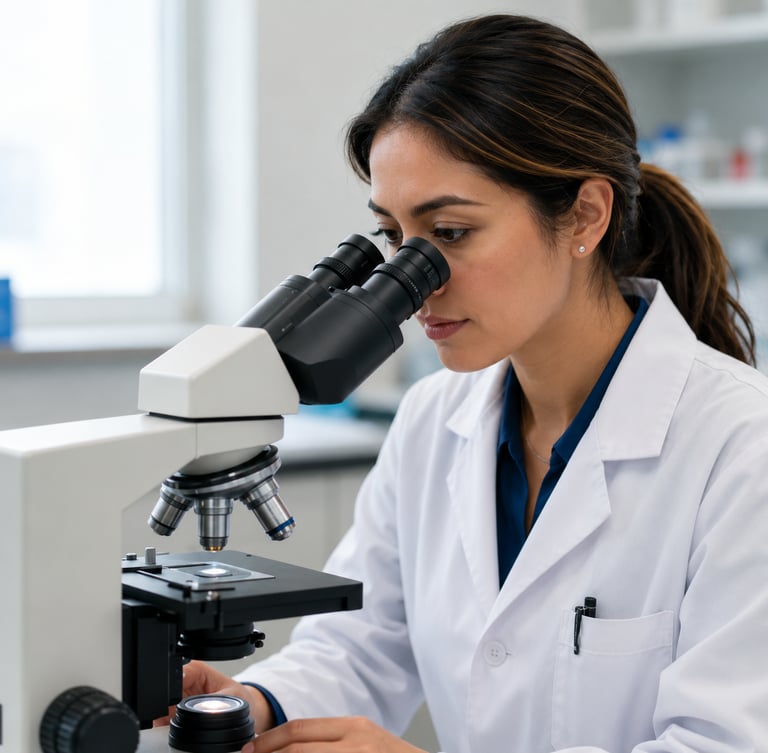
The Preservation Pathway
The clinical protocol spans approximately ten to twelve days, requiring precise timing and scientific monitoring to optimize biological yield.
01. Controlled Stimulation
Hormone protocols stimulate multiple follicles to mature simultaneously over a ten-day period.
02. Ultrasound Monitoring
Frequent clinical scans and blood assays track follicle development to determine the optimal trigger window.
03. Guided Retrieval
A brief, ultrasound-guided outpatient procedure retrieves mature oocytes, which are immediately transferred to the embryology lab.
Compare Regional Labs
Access independent, clinic-agnostic data on laboratory quality, regional success rates, and local pricing structures.